


Making Productivity Visible to Everyone®
Trusted by Construction Leaders
MCA has set the standard for construction productivity for more than three decades, partnering with industry leaders to systematically improve productivity, profitability, and project performance. Drawing on deep experience with electrical, mechanical, and general contractors, as well as work in banking, automotive, health care, and insurance. MCA converts cross industry best practices into practical, repeatable, field-tested solutions.
Founded by Dr. Perry Daneshgari, a recognized authority and published expert in construction productivity and the Industrialization of Construction®, MCA combines rigorous research with proven implementation methods grounded in standardized productivity measurement. Through its publications, ASTM aligned methodologies, software, and training, MCA delivers scalable strategies for organizations of every size, giving construction companies a data-driven, standards-based path to consistent and continuous improvement.
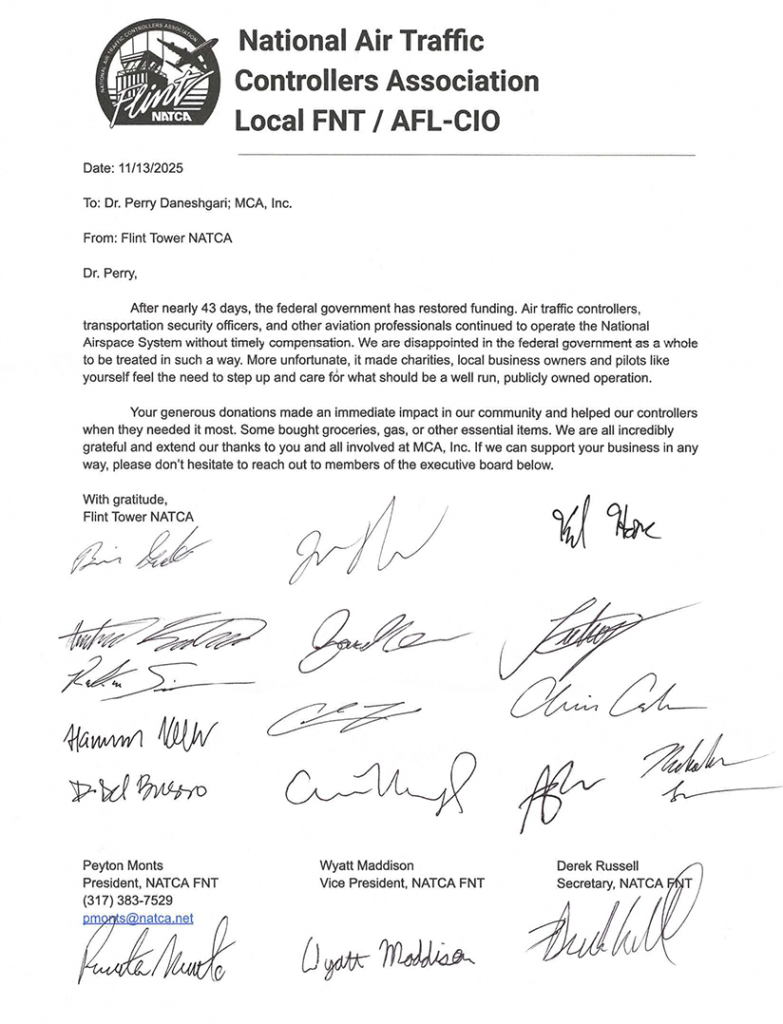
What Are They Saying
Our Commitment
Founded in 1990 by Dr. Perry Daneshgari, MCA is a global leader in construction productivity consulting and process improvement. The company specializes in implementing effective strategies for project management, labor productivity, estimation, accounting, and customer care, helping organizations reduce waste and improve performance across every level of operation.
MCA’s proven methodologies have delivered measurable results for clients in construction (including electrical, mechanical, and general contracting), as well as in banking, automotive, health care, and insurance industries. With extensive national and international experience, MCA’s expertise is tailored to fit companies of all sizes seeking to enhance efficiency, innovation, and profitability.
Frequently Asked Questions
What is Agile Construction®?
Agile Construction® is MCA’s methodology for making construction work visible, measurable, and manageable in real time so contractors can improve productivity and profitability on every job. It applies industrial principles and standardized productivity measurements to the field, and is supported by MCA’s training, software, and research resources (see the Industrialization of Construction® and Resources pages for more detail).
How does JPAC® improve job productivity?
JPAC® (Job Productivity Assurance and Control) gives contractors a standardized, data-driven way to measure labor performance, compare it to expectations, and take corrective action before jobs go off track. By turning job productivity into clear metrics and dashboards, JPAC® helps project teams reduce waste, control labor costs, and deliver more predictable results (learn more on the JPAC® & WBS product page).
Who should attend MCA events and workshops?
MCA events are designed for construction leaders and project teams who are responsible for planning, managing, and improving productivity, such as owners, executives, project managers, field leaders, estimators, and operations managers. Electrical, mechanical, and general contractors, as well as service and specialty contractors, gain the most value when they attend as cross-functional teams (see the Events page for upcoming workshops and training).
How does MCA’s work relate to industry productivity standards?
MCA’s methods are grounded in standardized, ASTM-aligned approaches to measuring and improving construction productivity. By using consistent definitions, metrics, and workflows, MCA helps organizations benchmark performance, implement Industrialization of Construction® principles, and sustain long-term productivity gains (you can explore this further on the Industrialization of Construction® and Products pages).
What types of companies does MCA work with?
MCA works with contractors of all sizes, from local firms to global enterprises, as well as capital-intensive organizations in industries such as automotive, banking, health care, and insurance. The same standardized productivity principles are adapted to each company’s scale and project mix, ensuring practical, field-tested solutions (see the About and Resources sections for examples of how these methods are applied).